




Gen Z Humor: The Most Infamous Celebrity Memes
-
- December 22, 2025

From wildly relatable reaction GIFs to unintentionally iconic celebrity quotes, Gen Z has transformed pop culture into an endlessly remixable playground of humor. In a world dominated by social media, short-form videos, and meme-driven communication, almost any celebrity moment, a glance, a shrug, a pause, can be extracted, captioned, and circulated until it becomes a viral sensation. These memes don’t just make us laugh; they operate as a shared language, a set of inside jokes that cross platforms, fandoms, and even national borders. They give Gen Z a way to express everything from frustration, irony, and awkwardness to joy, excitement, and existential dread, often in a single frame or GIF.
What makes this phenomenon especially fascinating is how quickly a seemingly minor celebrity moment can become a cultural touchstone. A simple hand gesture, a paused look, or a fleeting facial expression can be remixed countless times, paired with clever captions, and reinterpreted to fit endless situations. In essence, memes have become a form of emotional shorthand, allowing a generation to laugh at life, comment on societal absurdities, and even critique celebrity culture itself, all while participating in a massive, collaborative creative experiment online.
Below, we explore some of the most infamous and hilarious celebrity memes that have defined Gen Z humor online, from Cynthia Erivo’s “concept meme” head tap to the most surprising viral moments that have kept the internet endlessly entertained.
1. The “Concept of…”
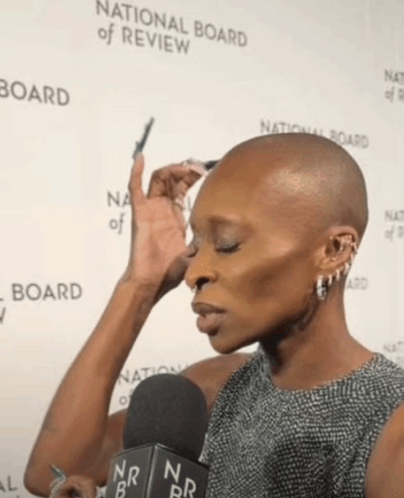
One of the freshest viral meme formats dominating Gen Z humor in 2025 features Cynthia Erivo tapping her head while thinking during an interview. This moment, clipped from red carpet coverage where she pauses to recall an answer, became a widely shared GIF and reaction picture on Twitter/X. Users quickly paired it with the phrase “the concept of…” plus a humorous or ironic idea, turning the visual into a flexible concept meme template.
Unlike simple reaction GIFs, this meme works by pairing Erivo’s expressive head‑tap with absurd, relatable, or introspective captions, for example: “the concept of being unemployed and watching movies all day,” or “the concept of hating someone for what they did but still missing them like a little kid.”
What makes this meme especially viral is its versatility: it gives internet users a way to mock, analyze, or exaggerate life’s quirks through a single visual, tapping into both expressive performance and conceptual humor.
2. “Holding Space”: Cynthia Erivo & Ariana Grande
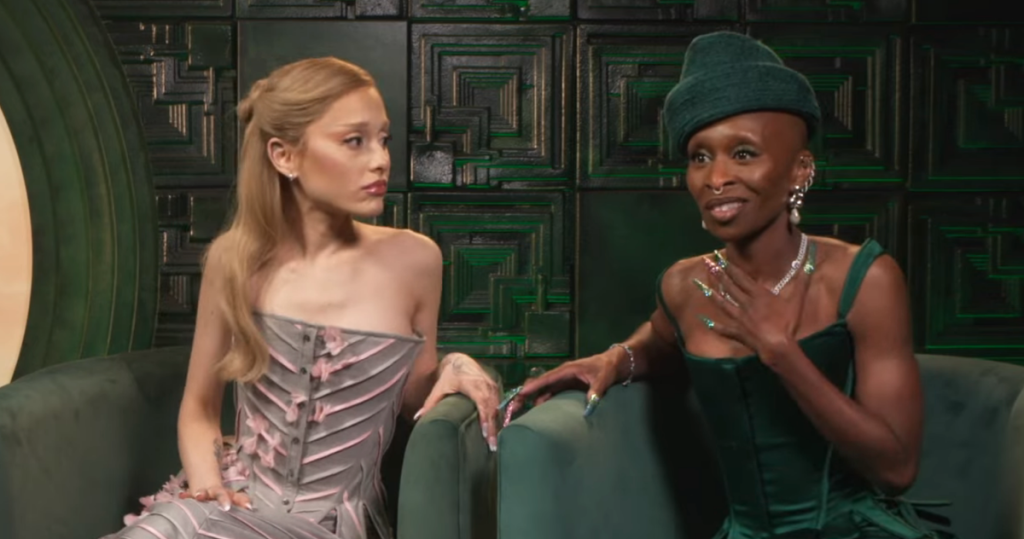
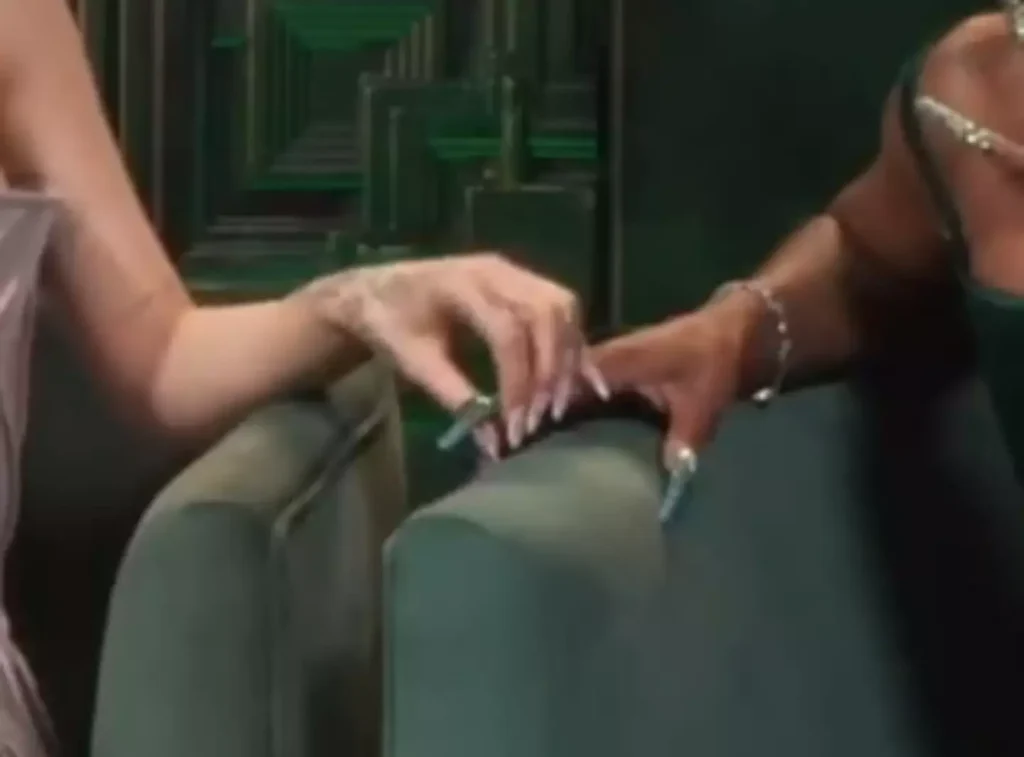
One of the most surreal recent celebrity meme moments comes from a press tour interview with Wicked stars Cynthia Erivo and Ariana Grande. A journalist told them that fans were “really taking the lyrics to ‘Defying Gravity’ and really holding space with that,” which left both actresses visibly confused and emotional. The awkward yet earnest reactions, especially Erivo’s expression and Grande holding her finger, quickly became a viral meme as people mimicked or captioned the moment online with humorous takes on the phrase holding space and “powerful” reactions.
What makes this meme special is how a serious-sounding phrase and genuine confusion turned into comedic absurdity, with TikTok dances, fan art, and jokes that exaggerate the sincerity of that exchange.
3. Justin Bieber’s “It’s Not Clocking to You That I’m Standing on Business” Meme
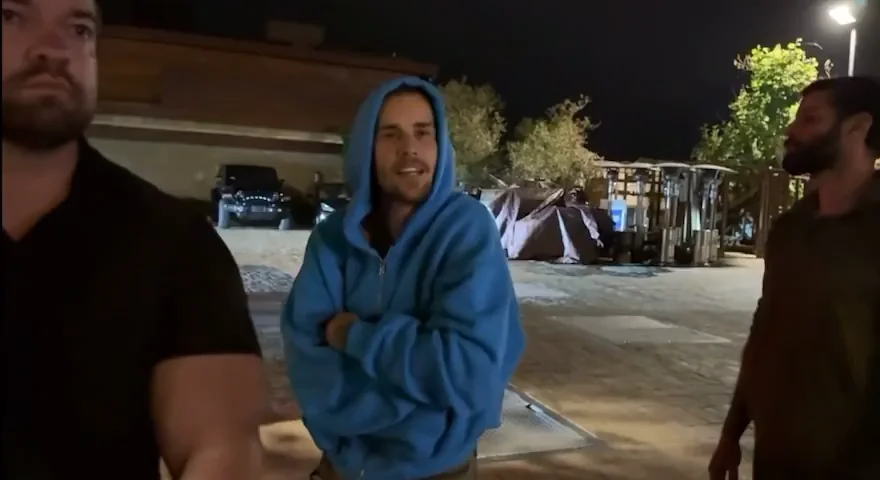
In 2025, Justin Bieber found himself at the center of a meme for accidentally botching some slang during an exchange with paparazzi. He declared, “It’s not clocking to you that I’m standing on business,” trying to sound assertive, but instead delivered a sentence so hilariously confusing that the internet immediately ran with it. Gen Z users quickly repurposed the phrase across social platforms, jokingly captioning everyday moments with it and making it a meme symbol for statements that don’t quite land.
This moment became Gen Z humor in action: a celebrity trying (and failing) to wield slang, resulting in a line too good not to meme.
4. Wojak
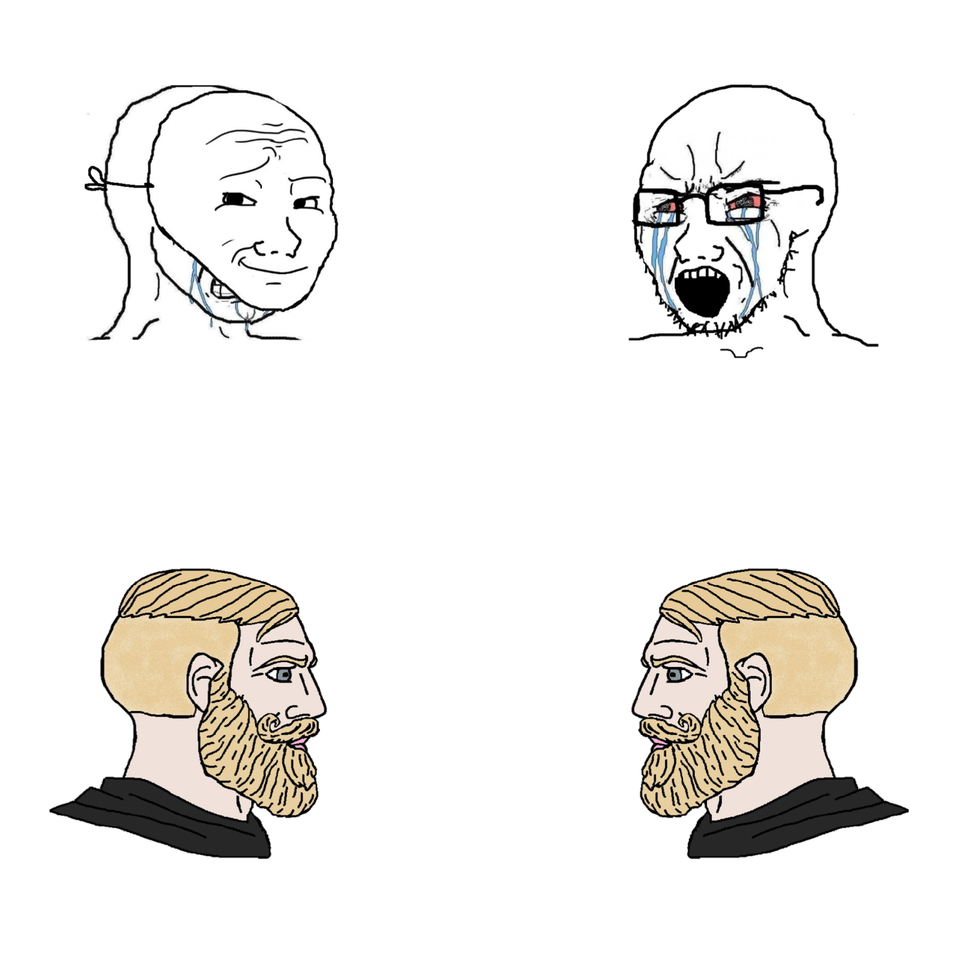
The Wojak character, a simple cartoon face with a wistful or melancholy expression — has become a deep emotional meme. From “I know that feel, bro” posts to more complex variations like Doomer or Bloomer Wojak, the meme captures generational feelings of anxiety, nostalgia, and existential reflection with striking simplicity.
Although not tied to one specific celebrity, Wojak’s emotional range continues to make it a compass for Gen Z humor, especially when expressing internal mood states.
5. Side‑Eyeing
Even though Side‑Eyeing Chloe originated over a decade ago, this toddler’s incredulous look remains one of the internet’s most reused reaction images. Originally from a family video, Chloe’s suspicious side‑eye became a meme classic, used whenever someone hears something questionable or cringeworthy.
Its longevity speaks to how certain visual expressions become universal reactions, perfect for conveying judgment without words.
Why These Memes Resonate With Gen Z
What makes these celebrity and concept memes so viral among Gen Z? The answer lies in a combination of visual storytelling, cultural awareness, and digital-native humor. Unlike traditional jokes, these memes work on multiple levels, emotional, social, and cognitive, making them uniquely suited to a generation that grew up online.
- Visual expressiveness: Gen Z thrives on immediacy. A single facial expression, hand gesture, or awkward pause, like Cynthia Erivo tapping her head in deep thought, can communicate complex feelings instantly. These visual cues transcend language, making it easy to relate across cultures, ages, and contexts. One meme can perfectly capture that exact moment you realize you forgot an assignment or the subtle rage of being ignored in a group chat.
- Concept flexibility: Many memes are designed to be templates rather than fixed jokes. The “concept of…” meme with Cynthia Erivo is a perfect example, her thoughtful head tap can pair with infinite ideas, from the mundane to the absurd. This flexibility allows users to personalize humor, remix it, and express perspectives that feel deeply individual while still participating in a shared joke.
- Shared language: Memes have become a new form of literacy for Gen Z. Across TikTok, Instagram, X, and Discord, these images and GIFs function like shorthand: a single frame can signal emotions, opinions, or social commentary without a single word. They create instant understanding between peers, transforming isolated media moments into collective experiences.
- Absurd relatability: Gen Z humor thrives on exaggeration and irony. Memes often pair a highly expressive celebrity moment with an unexpected or over-the-top caption, amplifying relatability to the point of absurdity. Whether it’s a dramatic award show reaction or a sarcastic expression from a reality star, the contrast between image and caption sparks laughter while highlighting the unpredictability of everyday life.
Together, these factors make memes more than just jokes, they are cultural building blocks. They allow Gen Z to communicate emotions, critique social norms, celebrate shared experiences, and even cope with stress, all within a matter of seconds. Memes function as social glue and emotional shorthand, providing a space where humor, commentary, and creativity intersect. In short, they are a defining feature of how Gen Z engages with the world, both online and offline.
Conclusion: The Power of Memes in Gen Z Culture
Celebrity memes and concept formats like Cynthia Erivo’s iconic head-tap or Justin Bieber’s “clock it” moment are more than just fleeting jokes, they are cultural touchstones that capture the essence of Gen Z humor. These memes transform ordinary celebrity moments into relatable, remixable, and highly expressive content, allowing a generation to communicate complex emotions, social commentary, and shared experiences in seconds.
What makes these memes so powerful is their versatility and accessibility. A single GIF or image can be adapted endlessly to reflect everyday frustrations, personal triumphs, or ironic observations, creating a shared language that crosses social and cultural boundaries. For Gen Z, humor is participatory: fans aren’t passive consumers but active creators, remixing celebrity content to reflect their own experiences and perspectives.
In essence, meme culture is a defining feature of Gen Z communication: fast, ironic, absurd, and endlessly inventive. From concept memes to reaction GIFs, these moments show that humor is not only a way to entertain but also a lens through which a generation interprets the world, makes sense of culture, and finds community in the digital age.
