



-
- December 17, 2025

A new generation of stars is redefining what fame looks like in the 2020s. Gen Z celebrities, born roughly between 1997 and 2012, are no longer just participants in the entertainment world; they are its architects. With unprecedented access to social media, streaming platforms, and global digital communities, these young actors, musicians, and performers are creating a new blueprint for stardom, one that emphasizes authenticity, creativity, and direct connection with audiences.
Unlike previous generations, Gen Z stars often rise to prominence not through traditional gatekeepers like record labels or major film studios alone, but through platforms such as TikTok, YouTube, Instagram, and online streaming services. This digital-first approach has transformed the way fame is built, making visibility, relatability, and virality as important as talent itself.
Throughout this feature, we will showcase not only the talent and creativity of these Gen Z celebrities but also the ways in which they leverage digital platforms, fashion, activism, and cultural influence to build multidimensional careers. By the end, readers will have a comprehensive understanding of why this generation is transforming the concept of fame and why these stars represent the future of global entertainment.
The Actors Leading Gen Z Hollywood
Gen Z actors are redefining Hollywood with fresh perspectives, fearless performances, and an authentic connection to audiences. They’re not just following trends, they’re setting them, choosing roles that challenge norms, and bringing stories to life with a raw honesty that resonates across generations.
From blockbuster hits to indie gems, these young stars are the faces shaping the present and future of film and television.
Finn Wolfhard
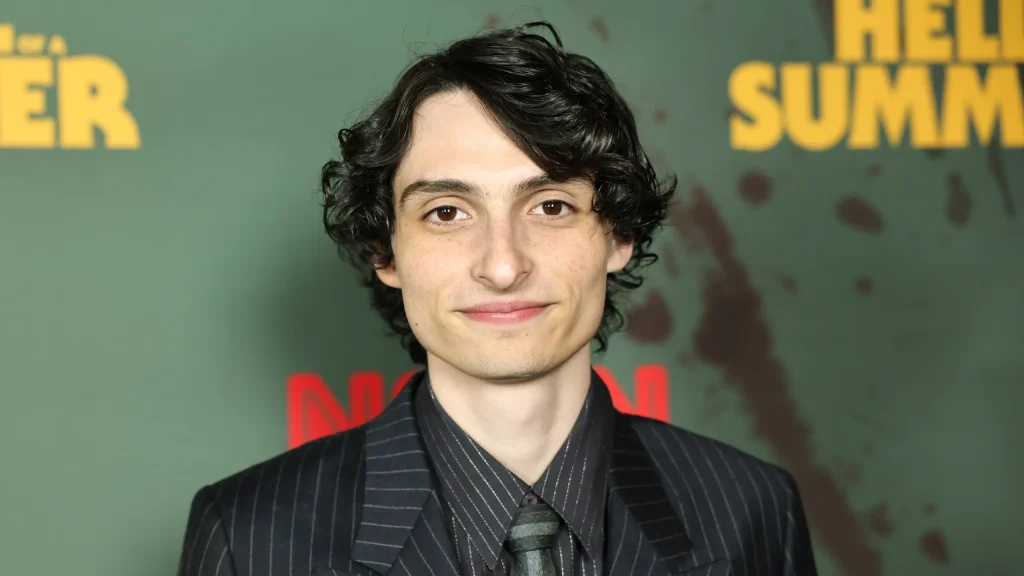
Finn Wolfhard first captured global attention as Mike Wheeler on Stranger Things, a role that showcased his acting range and natural charisma. Beyond his screen work, Wolfhard has built a reputation as a multifaceted artist, balancing acting with a successful music career as the frontman of the indie rock band The Aubreys. His ability to navigate multiple creative fields reflects the Gen Z ethos of versatility and boundary-pushing artistry.
Wolfhard’s influence extends beyond entertainment, as he has become a prominent cultural voice through social media and collaborations in fashion and film production. By blending creative disciplines, engaging with fans directly, and taking on projects that challenge conventional storytelling, Wolfhard embodies the modern Gen Z celebrity: fearless, creative, and globally resonant. His continued success underscores how young actors today are redefining fame by merging artistry, personality, and influence across multiple platforms.
Owen Cooper
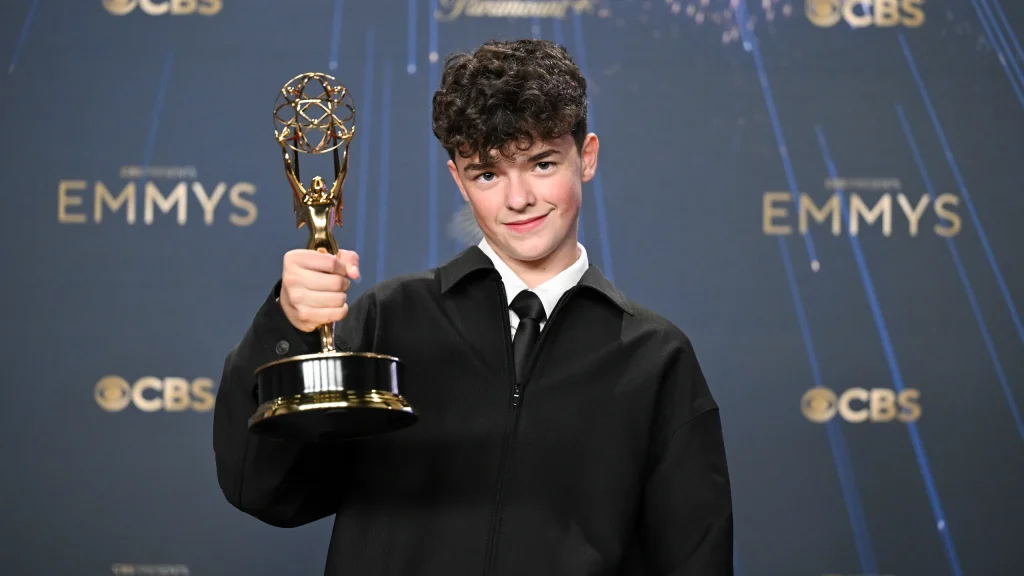
Owen Cooper is among the most talked‑about young actors of 2025, earning critical praise and industry acclaim at just 16 years old. He made history by becoming one of the youngest winners of a major television award for his role in Adolescence, showcasing a maturity and emotional depth that outpaced many veteran performers. Cooper’s nuanced performance captured the attention of audiences and critics alike, positioning him early on as one of the most exciting young talents in Hollywood.
What sets Cooper apart is not just his early success but his commitment to challenging material that demands complexity and range. In an industry where young actors are often typecast, Cooper’s projects suggest a hunger for meaningful storytelling and a generation eager to explore identity, relationships, and inner conflict in ways that resonate with the experiences of today’s youth. As he continues to build his career, Cooper exemplifies Gen Z’s ability to blend youthful energy with serious artistic ambition.
Yara Shahidi
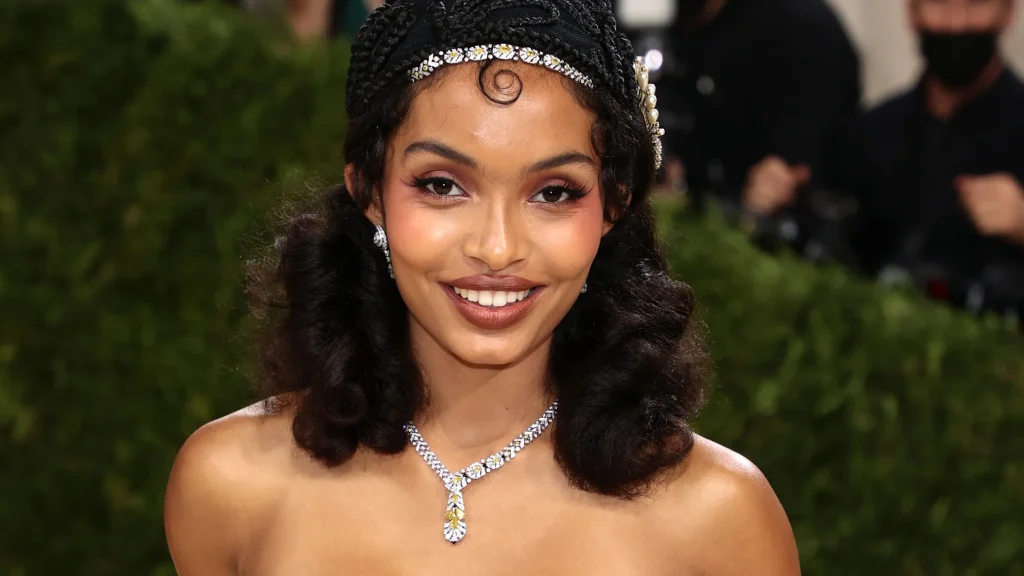
Yara Shahidi has firmly established herself as one of the most impactful young actors of her generation. She gained widespread recognition for her portrayal of Zoey Johnson on the hit television series Black‑ish and its spinoff Grown‑ish, roles that have showcased her talent, charisma, and ability to connect with audiences.
Shahidi’s performances are praised not only for their authenticity but also for their depth, as she often brings complex, relatable perspectives to her characters. Her work in television has positioned her as a role model for younger viewers, inspiring a generation to embrace individuality and confidence in their own voices.
Beyond her accomplishments on screen, Shahidi has cultivated a multifaceted career that spans production, fashion, and activism. She actively uses her platform to highlight social issues, advocate for educational opportunities, and amplify underrepresented voices in media and society. Shahidi’s ability to combine artistry with advocacy exemplifies the modern celebrity ethos; where talent, purpose, and public influence converge to create a lasting impact.
Maitreyi Ramakrishnan
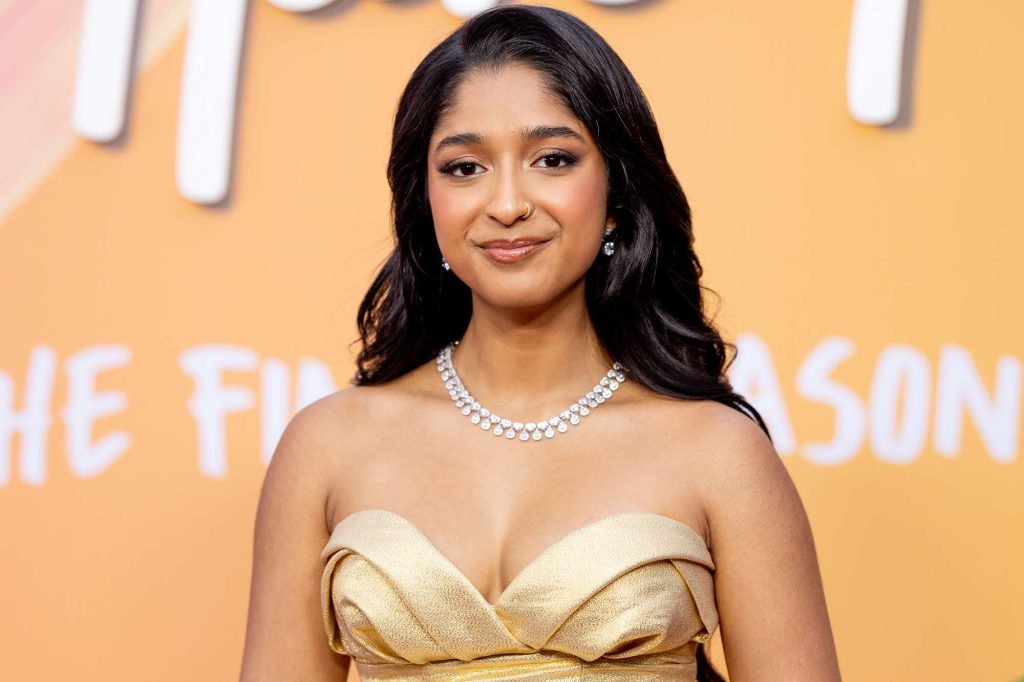
Maitreyi Ramakrishnan became a household name almost overnight thanks to her breakout role as Devi Vishwakumar on Netflix’s beloved teen series Never Have I Ever. Her natural charisma and emotional depth brought the awkward, ambitious, and hilarious Devi to life in a way that resonated with audiences worldwide, helping to make the show one of Gen Z’s favorite streamers during its run. What makes Ramakrishnan’s rise unique is that she was discovered through an open casting call, a testament to her raw talent and the shifting pathways to stardom in the digital era.
Off screen, Ramakrishnan has quickly evolved into more than just an actor; she’s a cultural figure with a distinct voice among her generation. She has lent her voice to popular animated projects like Turning Red and My Little Pony, and has represented major brands in high‑profile campaigns, expanding her presence beyond television. Her success reflects not only her acting ability but also Gen Z’s hunger for diverse, authentic representation in entertainment.
Miles Caton
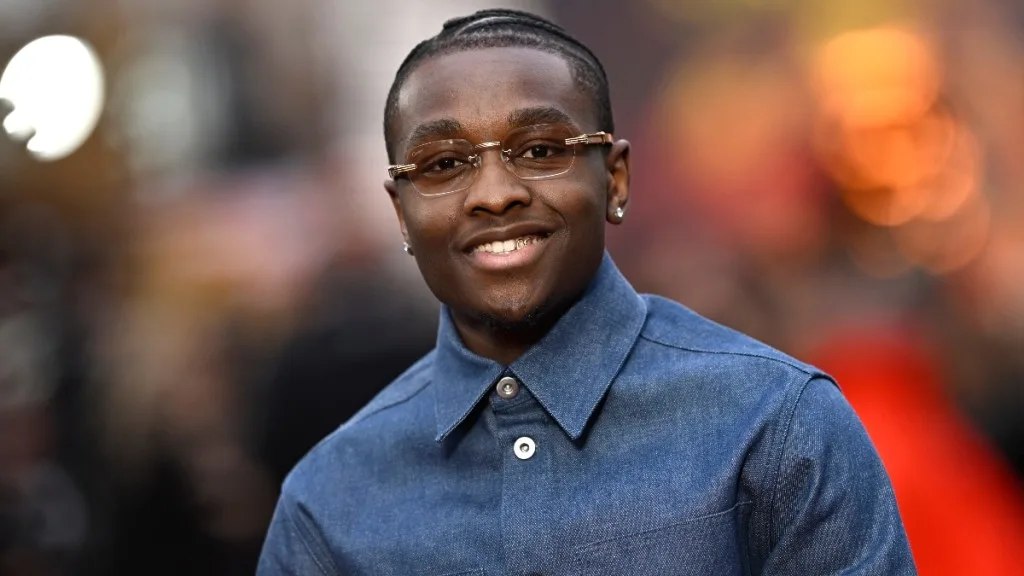
Miles Caton is one of the fresh faces Gen Z audiences can’t ignore. Rising to attention with his compelling performance in the horror hit Sinners, Caton brought a rare combination of intensity and vulnerability to the screen, marking him as a young actor with a wide emotional range. His ability to command attention, even in genre‑heavy material, speaks to a generation that appreciates bold, visceral storytelling and performers who aren’t afraid to take creative risks.
Beyond acting, Caton’s creative talents extend into music, where his singing and guitar playing add another dimension to his artistic identity. His multifaceted approach mirrors a broader trend among Gen Z celebrities who refuse to be confined to a single label, embracing cross‑disciplinary careers that blend film, music, and digital content. This willingness to explore multiple creative outlets makes Caton not just a rising star but a compelling voice in a generation that values versatility and cultural connectivity.
Sadie Sink
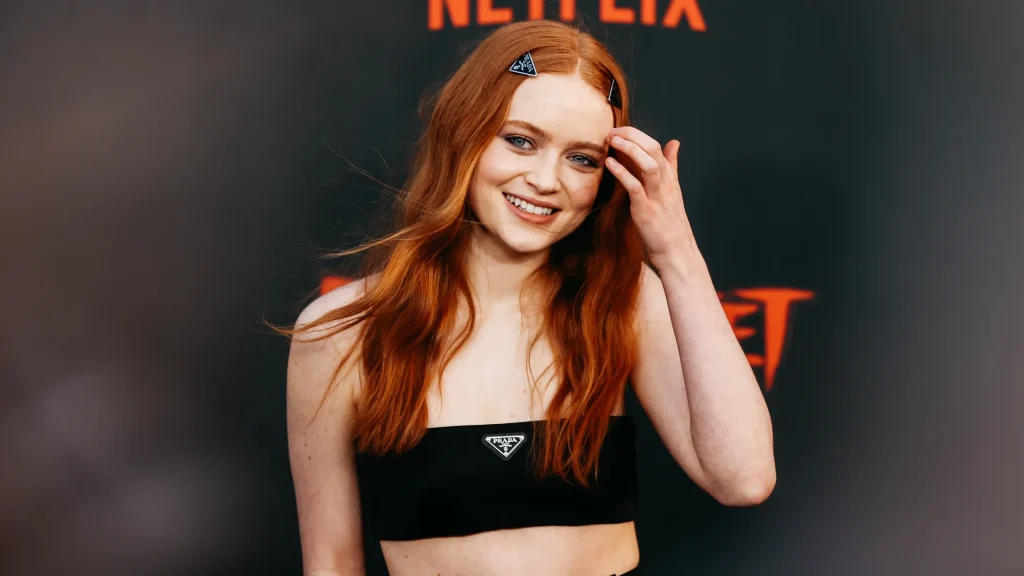
Sadie Sink has emerged as one of Gen Z’s most compelling young actors, earning acclaim for her portrayal of Max Mayfield on Stranger Things. Her ability to convey vulnerability, courage, and emotional complexity has allowed her to stand out in a show full of ensemble talent. Beyond her role in Stranger Things, Sink has taken on projects in film and theater that highlight her versatility, including performances in The Whale and Broadway productions, demonstrating a maturity that goes beyond her years.
Off screen, Sink is recognized for her advocacy and public engagement. She uses her platform to address environmental issues, mental health awareness, and social causes important to her generation, reflecting a new kind of celebrity that combines artistic talent with social responsibility. Her poise, intelligence, and commitment to meaningful work have made her a role model for young audiences while cementing her as one of the defining actors of her generation.
Gen Z Solo Musicians: Redefining the Sound of a Generation
Gen Z solo musicians are transforming the music landscape with bold creativity, genre-blending sounds, and lyrics that speak to their generation’s experiences.
They aren’t just making hits, they’re starting movements, challenging industry norms, and connecting with fans in ways that feel personal, authentic, and revolutionary.
From bedroom studios to global stages, these following artists are shaping the soundtrack of a generation.
Adéla
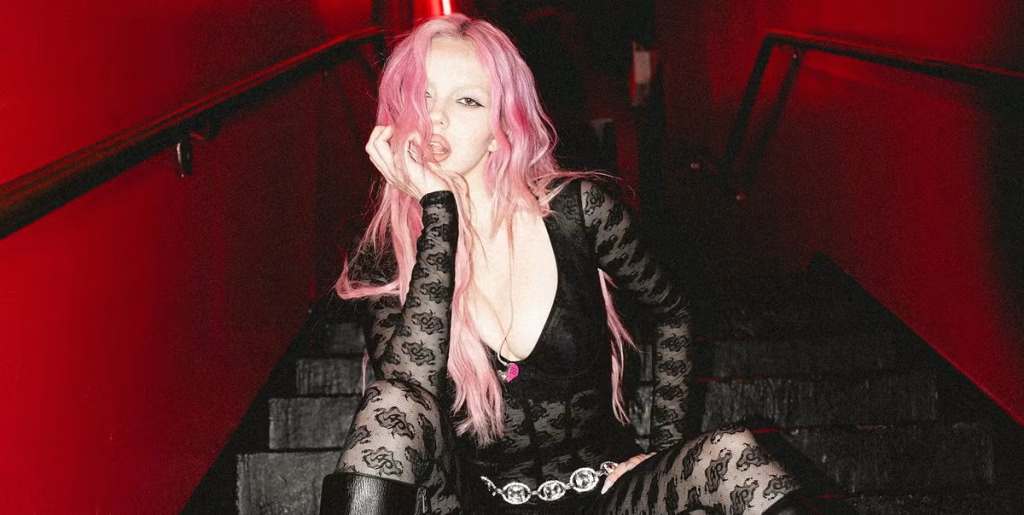
Slovak singer-songwriter Adéla (Adéla Jergová) has emerged as one of Gen Z’s most exciting musical voices. Rising from reality competition roots in Dream Academy, she quickly distinguished herself with bold, expressive performances that blend pop, electronic, and experimental elements. Her solo singles, such as Homewrecked and MachineGirl, showcase her talent for crafting infectious hooks while maintaining emotional depth, appealing to a global audience hungry for innovative sounds.
Beyond her music, Adéla’s visual style and social media presence have helped her cultivate a devoted fanbase. Her debut EP The Provocateur (2025) cemented her reputation as a daring and versatile artist capable of taking creative risks while connecting authentically with fans. By embracing digital platforms to promote her music, Adéla exemplifies the modern Gen Z musician who thrives at the intersection of artistry, self-expression, and online culture.
Zah1de
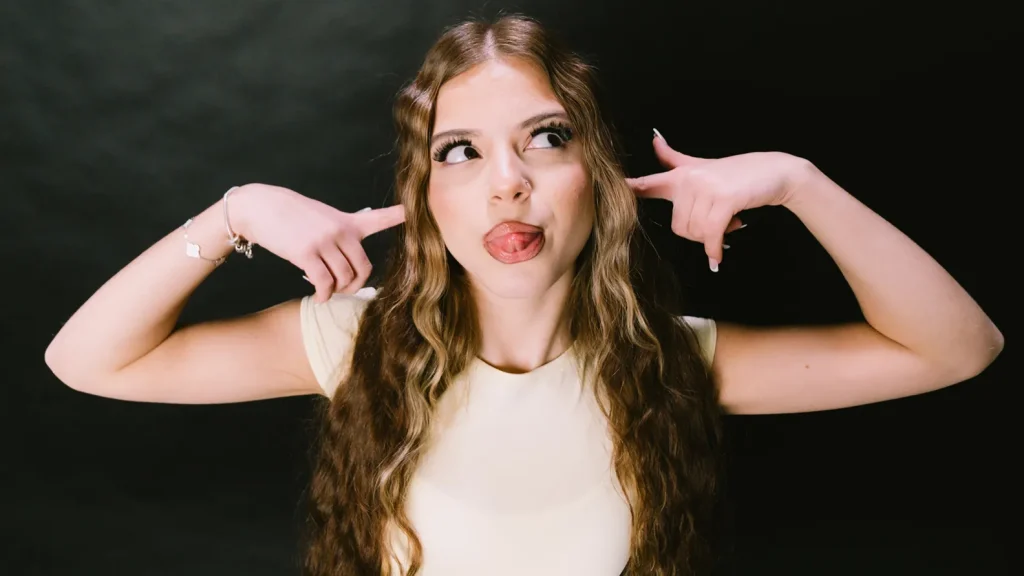
German-Turkish rapper Zah1de (Zahīde Kayaci) leveraged her viral TikTok presence into a full-fledged music career, becoming one of Europe’s most exciting Gen Z artists. Her dynamic blend of rap, performance art, and digital engagement has allowed her to capture audiences across multiple platforms, turning viral trends into chart-topping success. Singles like Mona Lisa Motion demonstrate her high-energy delivery and ability to connect emotionally with a digital-first generation.
Zah1de’s rise illustrates how social media can serve as a launchpad for global fame, allowing artists to bypass traditional industry gatekeepers. Her creative autonomy and digital savvy enable her to experiment with sound, visuals, and fan engagement, making her a model of Gen Z’s boundary-breaking approach to music.
Ayra Starr
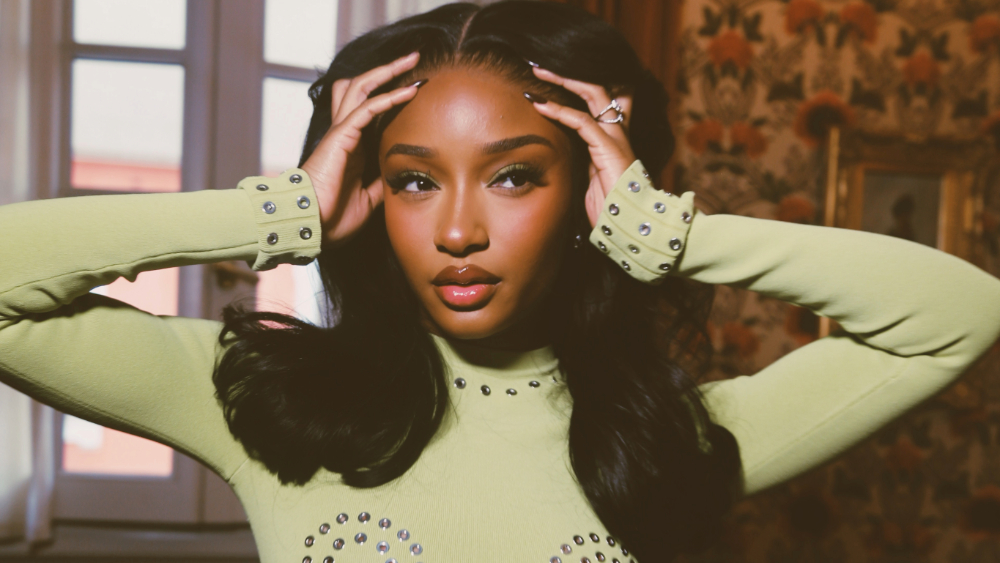
Nigerian Afropop sensation Ayra Starr combines infectious melodies with socially conscious lyrics, making her one of the most influential young musicians of her generation. Her debut album 19 & Dangerous captured international attention, blending Afrobeat rhythms with contemporary pop sensibilities. Her performances exude confidence and charisma, empowering fans while highlighting themes of self-expression and female empowerment.
Starr’s influence extends beyond music; her fashion, activism, and online presence cement her as a cultural figure whose impact resonates with Gen Z audiences worldwide. By blending creativity with authenticity, she embodies a new type of global artist, one who thrives both on stage and across social media platforms.
Olivia Rodrigo
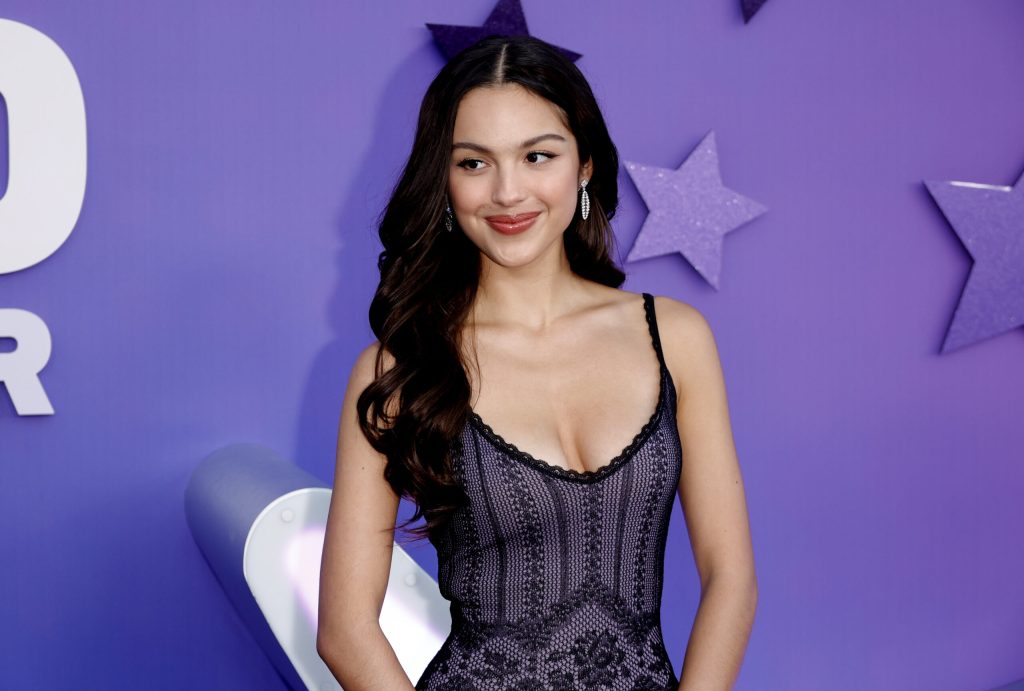
Olivia Rodrigo became a defining voice of Gen Z with her debut album SOUR, which captured the emotional turbulence of adolescence with striking honesty. Her breakout single drivers license became a viral phenomenon, resonating with millions for its raw vulnerability and storytelling. Rodrigo’s pop-rock sensibilities, combined with deeply personal lyrics, have allowed her to connect intimately with fans while achieving mainstream commercial success.
Beyond her musical prowess, Rodrigo demonstrates Gen Z’s embrace of relatability and authenticity in celebrity culture. Her engagement with fans through social media, fashion, and interviews positions her not just as a singer, but as a cultural touchstone who reflects the hopes, anxieties, and aspirations of her generation.
Tate McRae

Canadian singer, songwriter, and dancer Tate McRae rose to prominence through viral dance videos before establishing herself as a pop music powerhouse. Her singles, including you broke me first, blend catchy pop melodies with heartfelt storytelling, showcasing her ability to convey complex emotions through music and performance. McRae’s background in dance adds a kinetic, visually compelling element to her work, enhancing her appeal across video platforms and live performances.
McRae’s artistry reflects Gen Z’s multi-talented approach to fame, combining music, performance, and digital engagement. She continues to push boundaries with her creative output, demonstrating that modern musicians must be versatile, authentic, and digitally fluent to capture the attention and loyalty of global audiences.
Gen Z Bands: Pushing Musical Boundaries
Gen Z bands aren’t just making music, they’re reinventing it. By blending different genres, experimenting with new sounds, and challenging conventional norms, these groups are creating music that feels both innovative and authentic.
From indie and pop to punk and electronic influences, they’re redefining what a band can be and giving a voice to the unique perspectives of their generation.
Katseye
Katseye, a multinational girl group formed through the international reality competition Dream Academy, has become one of the most talked-about pop acts among Gen Z audiences. Their music combines catchy hooks, synchronized choreography, and diverse cultural influences, creating a sound and aesthetic that resonates worldwide. Singles like Gnarly and Gabriela have propelled the group to chart success, showcasing the power of global collaboration in modern pop.
Beyond their music, Katseye is a visual and social media phenomenon. Their vibrant fashion, energetic performances, and savvy online engagement have cultivated a dedicated fanbase, demonstrating how Gen Z bands leverage digital culture to enhance their reach and influence. The group exemplifies the new era of pop music, where talent, authenticity, and global appeal intersect.
bloodsports
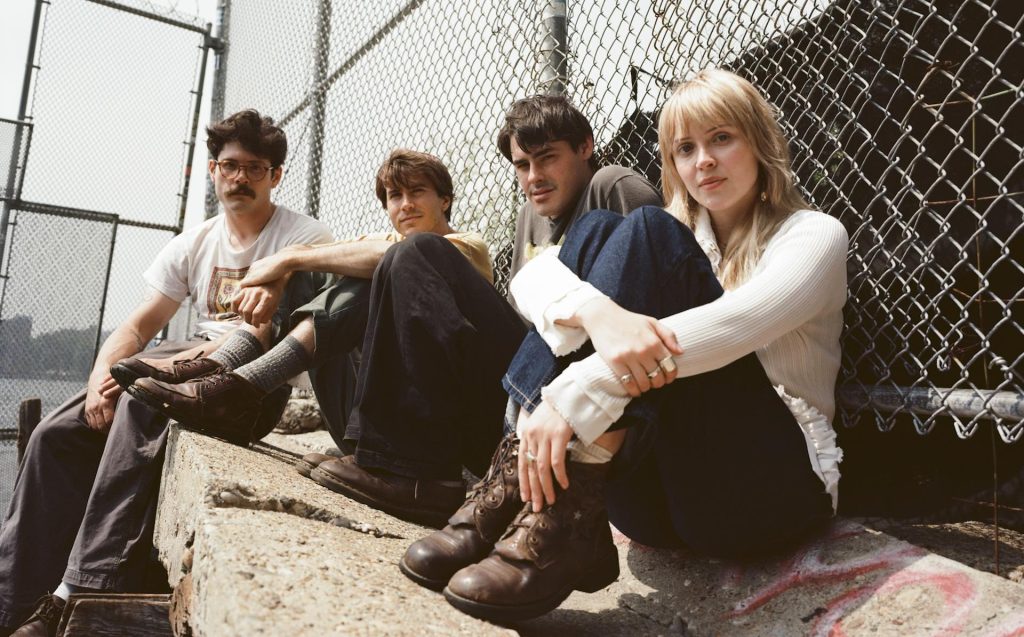
Brooklyn-based indie rock band bloodsports embodies Gen Z’s raw, DIY ethos. Known for their energetic live performances and emotionally charged sound, the band has developed a loyal following in the alternative music scene. Their debut album, Anything Can Be a Hammer (2025), merges post-punk intensity with introspective lyrics, reflecting the struggles, passions, and ambitions of a generation seeking authenticity in music.
bloodsports has gained attention not only for their sonic identity but also for their cultural resonance. By blending edgy storytelling with experimental instrumentation, they connect deeply with audiences who crave both musical innovation and emotional honesty. They represent a new wave of Gen Z bands that prioritize artistic integrity while engaging fans directly through social media and grassroots promotion.
The Aubreys

Led by Finn Wolfhard, The Aubreys have captured the attention of Gen Z listeners with a nostalgic yet fresh indie-rock sound. Their music blends classic rock influences with modern storytelling, appealing to both older fans of the genre and a younger generation seeking authenticity. Tracks like Teenage Heartbreak showcase dynamic instrumentation and lyrical introspection, highlighting the band’s ability to evoke both energy and emotion.
The Aubreys’ success reflects Gen Z’s multi-disciplinary approach to entertainment. With members who are also actors and digital content creators, the band exemplifies how young musicians are leveraging cross-platform visibility to amplify their art. Their combination of musical talent, personal branding, and storytelling has made them a standout example of how Gen Z bands are shaping contemporary rock.
NiziU
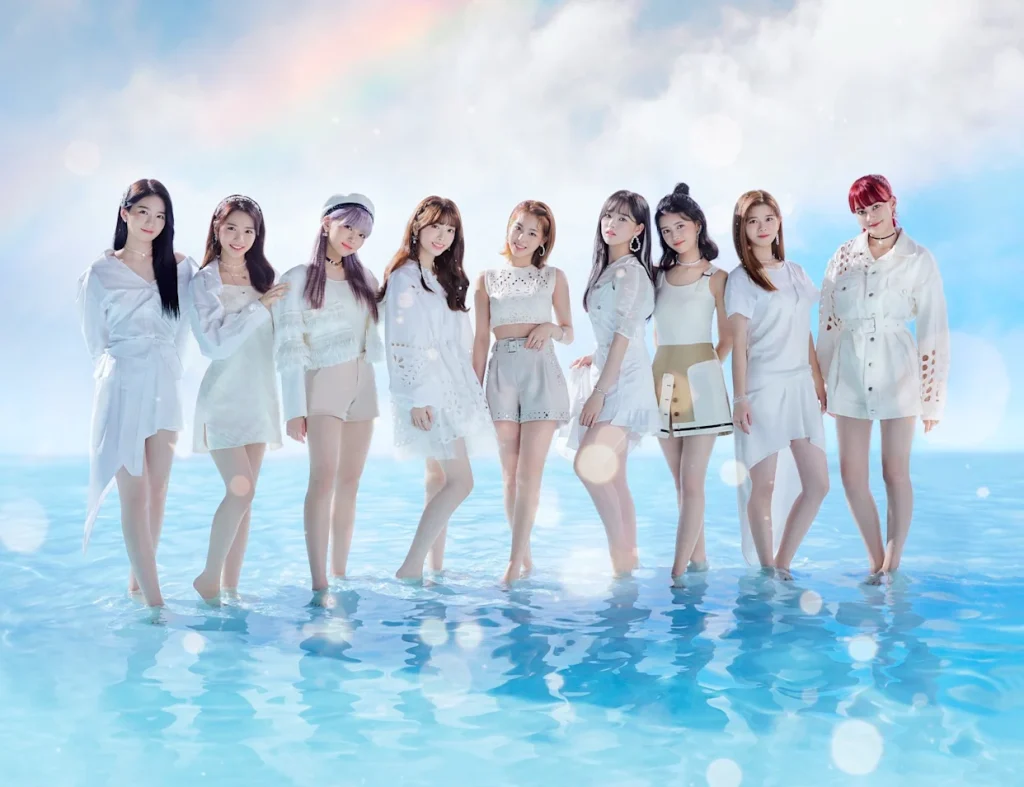
NiziU, a Japanese girl group formed through the reality competition Nizi Project, represents the fusion of J‑pop sensibilities with international appeal. Their energetic performances, colorful music videos, and upbeat songs like Step and a Step have earned them a devoted global following. NiziU captures the Gen Z ethos of optimism, ambition, and digital engagement, translating viral moments into chart success.
The band’s strategy emphasizes social media presence, fan interaction, and online storytelling, allowing them to maintain direct and meaningful connections with audiences. NiziU demonstrates how contemporary bands leverage digital tools to expand beyond regional markets, making them a key example of Gen Z’s borderless, digitally native approach to music.
Conclusion
Gen Z fame isn’t built the way it once was. These celebs rise through a mix of digital platforms, viral engagement, and cross‑media presence, from TikTok to streaming TV to global tours. They often lead with authenticity, blending personal storytelling with artistry that feels real and immediate. Whether they act, sing, dance, or do all three, this generation prioritizes connection and expression, bridging communities across languages and cultures.
Their rise also reflects a broader cultural shift: celebrity is now as much about being relatable as it is about talent. Fans don’t just follow performances, they follow values, personality, and presence. Gen Z stars embrace vulnerability, activism, and identity in ways that inspire audiences and redefine what it means to be famous.
Quick Snapshot
Q1: Who qualifies as a Gen Z celebrity?
Gen Z celebrities are typically born between 1997 and 2012. They are young actors, musicians, and public figures whose careers and influence are shaped by social media, digital platforms, and global connectivity.
Q2: What sets Gen Z celebrities apart from previous generations?
Unlike prior generations, Gen Z stars often rise through digital-first platforms like TikTok, YouTube, and Instagram. They combine artistry with social engagement, activism, and cross-disciplinary creativity, creating a more multifaceted approach to fame.
Q3: Which actors are leading Gen Z Hollywood?
Standout actors include Yara Shahidi, Jharrel Jerome, Sadie Sink, Finn Wolfhard, Maitreyi Ramakrishnan, Miles Caton, Owen Cooper, and Megan Suri, each bringing authenticity, depth, and cultural relevance to their roles.
Q4: Who are some of the most influential Gen Z solo musicians?
Key solo artists include Adéla, Zah1de, Ayra Starr, Olivia Rodrigo, and Tate McRae. These musicians are shaping global music trends while leveraging digital platforms to reach and engage fans.
Q5: Which Gen Z bands are making waves today?
Leading bands include Katseye, bloodsports, The Aubreys, Twice, and NiziU. These groups combine innovative music, performance artistry, and social media engagement to connect with a worldwide audience.
Q6: Why are Gen Z celebrities significant culturally?
Gen Z celebrities not only entertain but also influence fashion, social movements, digital trends, and fan culture. They represent a generation that values authenticity, inclusivity, and creativity across multiple platforms.
